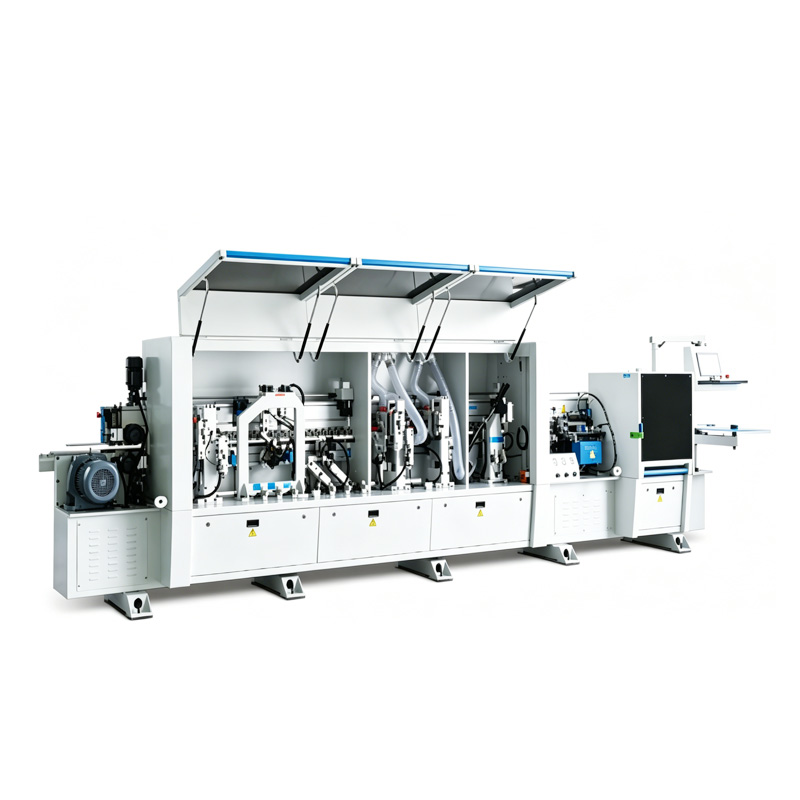
FK53 is designed for furniture factories that need stable edge quality on cabinet panels, wardrobe panels, shelves, and other straight-edge boards.
It is not just a basic edge bander. With pre-milling, corner rounding, scraping, and buffing, it is better suited for buyers who care about glue lines, edge smoothness, and finished panel appearance. FK53’s listed functions include pre-milling, gluing, end trimming, fine trimming, edge scraping, corner rounding, and buffing.
What Edge Quality Problems Does FK53 Help Solve?
Many furniture factories do not buy an automatic edge banding machine just to “stick edge tape.”
They buy it because poor edge quality creates visible glue lines, rough trimming marks, weak bonding, and uneven corners.
FK53 is more suitable for buyers who want a cleaner edge finish after cutting, gluing, trimming, scraping, and polishing.
It helps improve:
- Rough panel edges before banding
- Uneven glue application
- Excess hot-melt glue
- Visible trimming marks
- Sharp or unattractive panel corners
- Inconsistent edge finish across repeated boards
Where FK53 Fits in a Panel Furniture Workflow
FK53 fits after panel cutting and before final furniture assembly.
For cabinet, wardrobe, and office furniture production, edge banding is one of the steps that directly affects the final product’s appearance.
This machine is especially useful when the factory wants a more complete edge finishing process in one line instead of relying on separate manual correction after banding.
Typical workflow:
- Panel cutting
- Edge preparation
- Edge banding
- End trimming
- Fine trimming
- Corner rounding
- Scraping
- Buffing
- Assembly preparation
Why FK53 Is Different from a Basic Edge Bander
A basic edge banding machine may be enough for simple gluing and pressing.
FK53 goes further because it includes pre-milling and corner rounding, which are both important for better finished-edge quality.
The reference page also describes FK53 as a flagship model in the edge bander line, with added pre-milling and corner rounding functions.
The key difference is not only automation.
The real value is that FK53 helps improve the edge before gluing and refines the edge after trimming.
That makes it more suitable for panel furniture buyers who want cleaner, more stable, and more sellable finished panels.
Core Functions of FK53
Pre-milling
Pre-milling helps remove defects from the machined panel edge before edge banding.
This gives the panel a cleaner starting surface and helps the edge sealing result look better.
Gluing and pressing
The gluing system is designed for stable glue control, uniform coating, and firmer adhesion.
The four pressure wheel pressing system helps the edge tape fit more closely and reduces excess hot-melt glue.
End trimming
The end trimming unit cuts the front and rear edge banding.
The reference page describes two saw blades working together for higher precision and efficiency.
Fine trimming
Fine trimming removes excess edge banding from the upper and lower sides of the board.
It helps make the banding flush and smooth with the panel surface.
Corner rounding
Corner rounding processes the panel’s edge fillet or chamfer.
This helps make the four corners smoother and more attractive.
Scraping and buffing
Scraping removes marks left by trimming knives.
Buffing removes excess glue marks and makes the edge smoother and cleaner.
What Panels Can FK53 Process?
FK53 is suitable for straight-edge panel furniture parts.
It is not designed for curved edge banding or irregular shaped panels.
Common panel applications include:
- Cabinet panels
- Wardrobe panels
- Shelves
- Office furniture boards
- Storage cabinet panels
- Custom panel furniture parts
- Straight-edge MDF, particle board, and similar boards
When Should You Choose FK53?
Choose FK53 if you need more than basic edge sealing.
It is a better fit when your production requires pre-milling, cleaner glue lines, smoother corners, scraping, and buffing.
It is also suitable if your factory wants a more complete automatic edge banding process without moving directly into a higher-end industrial line.
FK53 is a good fit if you need:
- More stable edge quality
- Better finished panel appearance
- Pre-milling before gluing
- Corner rounding
- Cleaner edge after trimming
- Faster production than manual edge banding
- A practical machine for panel furniture production
When FK53 May Not Be the Right Choice
FK53 may not be necessary if your production volume is very low.
If you only band a few boards per day, a smaller or simpler edge banding machine may be enough.
It is also not the right choice if your main work involves curved panels or irregular edge shapes.
This machine is best for straight-line panel furniture edge banding.
Specifications
| Item | Specification |
|---|---|
| Model | FK53 |
| Machine Type | Automatic Linear Edge Banding Machine |
| Machine Size | 6500 × 900 × 1600 mm |
| Edge Tape Thickness | 0.4–3 mm |
| Sheet Length | ≥150 mm |
| Sheet Width | ≥60 mm |
| Sheet Thickness | 9–50 mm |
| Working Air Pressure | 0.7 MPa |
| Total Power | 15 kW |
| Feed Rate | 16–23 m/min |
| Conveying Transmission | GPG motor |
| PLC | Delta |
| Air Cylinder | AirTAC |
| Main Functions | Pre-milling, gluing, end trimming, fine trimming, edge scraping, corner rounding, buffing |
FK53’s reference page lists edge tape thickness of 0.4–3 mm, sheet thickness of 9–50 mm, feed rate of 16–23 m/min, Delta PLC, and AirTAC cylinder.
Main Components and Advantages
Pre-milling unit
The pre-milling unit helps prepare the panel edge before gluing.
This is useful when panel cutting leaves minor defects or roughness.
Gluing unit
The gluing system helps control glue amount and coating consistency.
For buyers, this matters because glue quality affects bonding strength and visible glue lines.
Pressure wheel system
The four pressure wheel pressing system helps press the edge tape more tightly to the board.
It also helps scrape off excess hot-melt glue and reduce glue line size.
Trimming and corner rounding
End trimming, fine trimming, and corner rounding help improve the final shape of the edge.
This is important for cabinet panels and wardrobe panels where the edge is visible after assembly.
Scraping and buffing
Scraping and buffing are the final finishing steps.
They help remove knife marks and excess glue marks, making the edge cleaner and smoother.
APPLICATION
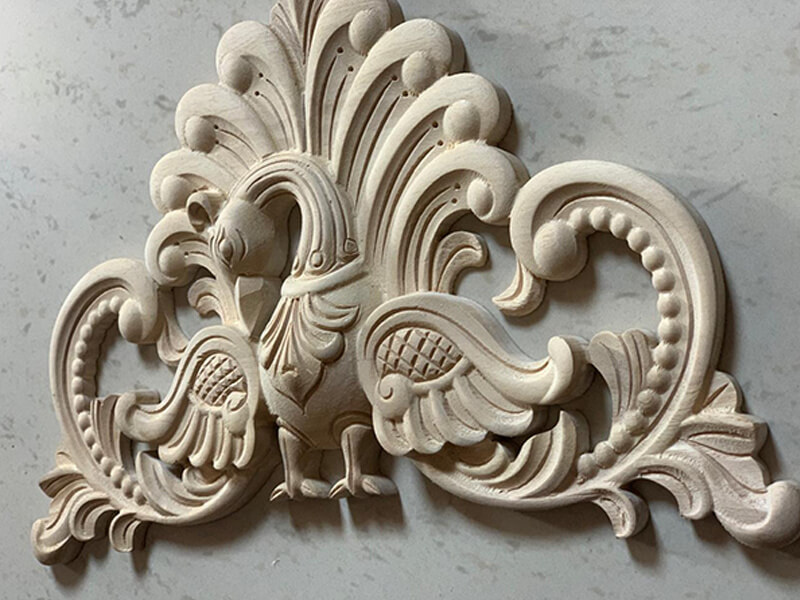
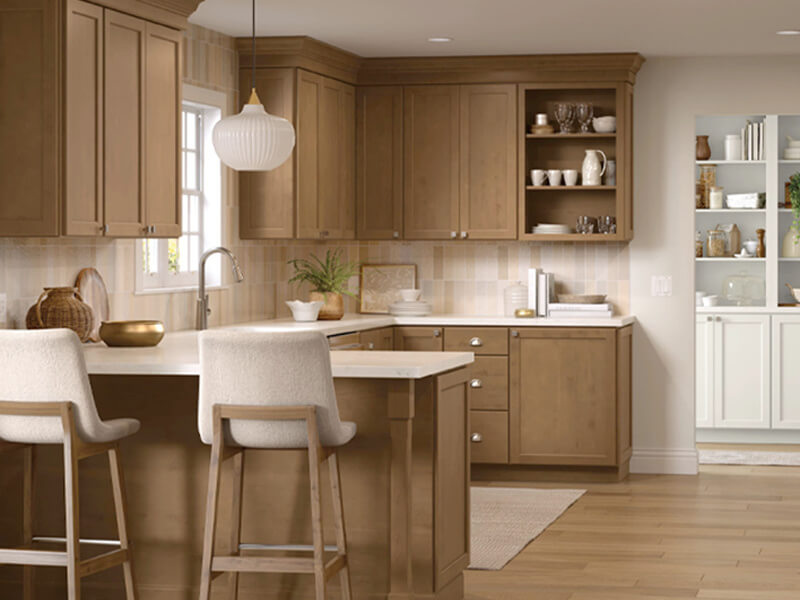
Woodworking
Cutting, carving, engraving for wood products.
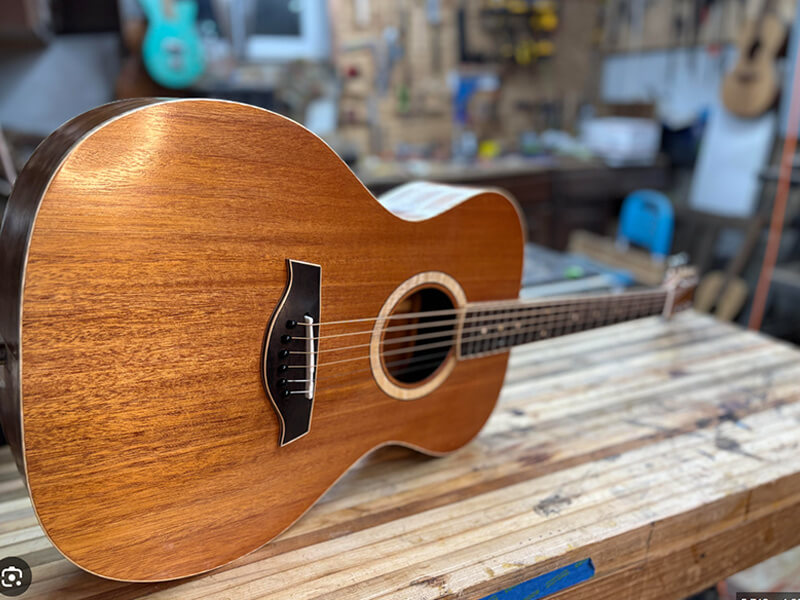
Furniture Production
Cabinetry, doors, panels and custom furniture.
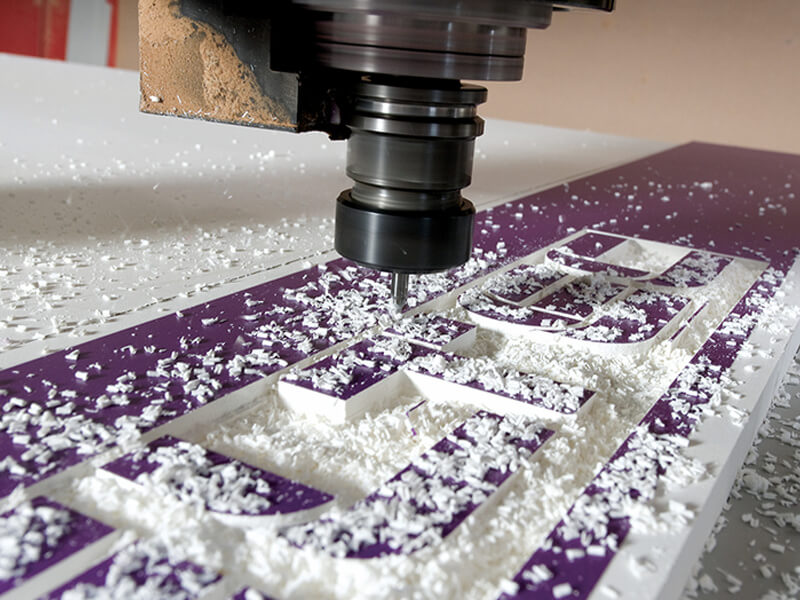
Instrument Making
3D letters, light boxes, signage and logos.
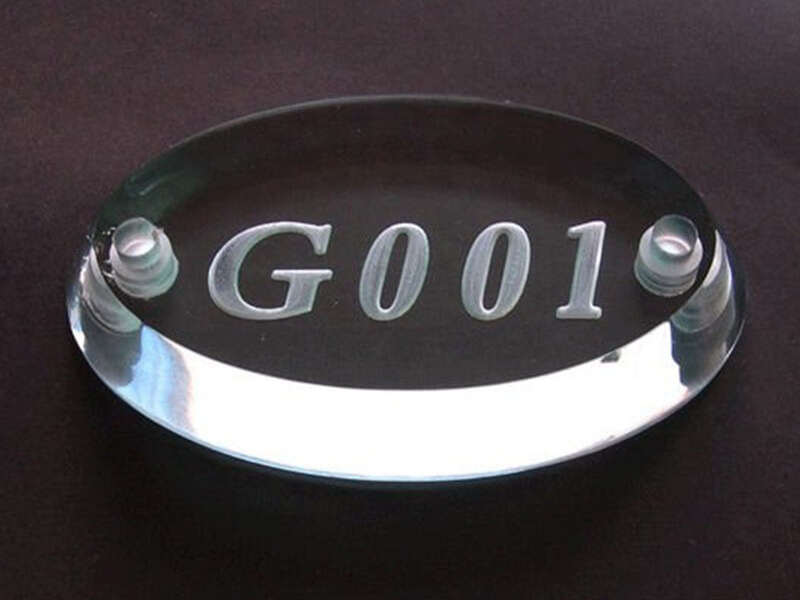
Advertising
Billboards, displays, promotion materials.
Acrylic & Plastic Processing
Cutting, engraving, polishing acrylic and plastic.

Stone Processing
Granite, marble, quartz cutting and carving.
Metal Fabrication
Drilling, milling, cutting metal materials.
Mold & Prototype Making
Molds, prototypes and precision components.
Is FK53 suitable for cabinet and wardrobe panel production?
Yes. FK53 is suitable for cabinet panels, wardrobe panels, shelves, and other straight-edge panel furniture parts. It includes pre-milling, gluing, trimming, corner rounding, scraping, and buffing, so it is better for buyers who want cleaner finished edges than a basic edge bander can provide.
Why should I choose FK53 instead of a simpler edge banding machine?
Choose FK53 if you care about pre-milling, corner finish, glue line control, and final edge appearance. A simpler machine may only handle basic gluing and trimming. FK53 gives you a more complete edge banding process for panel furniture production.
Does pre-milling really make a difference?
Yes. Pre-milling helps remove small defects from the panel edge before gluing. If the board edge is rough, chipped, or uneven after cutting, the final banding result may suffer. Pre-milling gives the edge tape a cleaner surface to bond with.
What edge tape thickness can FK53 handle?
FK53 supports edge tape thickness from 0.4 mm to 3 mm. This range is suitable for many cabinet panels, wardrobe panels, shelves, and office furniture boards. Before ordering, buyers should confirm their common edge tape material and thickness.
What panel thickness is suitable for FK53?
The listed sheet thickness range is 9–50 mm. This covers many common panel furniture boards. If your factory works with very thin, very thick, or special boards, it is better to confirm the exact board size before choosing this machine.
Is the feed rate enough for daily furniture production?
The listed feed rate is 16–23 m/min. For many panel furniture workshops, this is practical for regular cabinet and wardrobe panel production. If you run a very high-volume line, you should compare this speed with your daily output target.
Can FK53 help reduce visible glue lines?
Yes, it can help. The gluing system, pressure wheels, scraping, and buffing all support a cleaner edge. Final results still depend on board quality, glue, edge tape, and machine settings, but FK53 gives a better process than basic edge sealing.
Is corner rounding included?
Yes. FK53 includes corner rounding. This function processes the panel corner fillet or chamfer, making the four corners smoother and more attractive. For visible furniture panels, corner quality can strongly affect the final product appearance.
Is FK53 suitable for curved panels?
No, this machine should mainly be used for straight-line edge banding. If your products include curved, irregular, or shaped edges, you may need a different type of machine. FK53 is best for straight-edge panel furniture parts.
What should I send before asking for a quote?
Send your panel length, width, thickness, edge tape thickness, edge tape material, daily output target, and whether you need pre-milling and corner rounding. These details help confirm whether FK53 matches your production needs.